


This Month Special


New Arrival
![[Georgia's Natural] Essential Tropical Juice 750mL | Vibrant, Tangy, Refreshing | 100% Pure Organic](http://www.pomefresh.com/cdn/shop/files/GNET750_1eeb9e0d-fda3-464f-8cb0-6e34e1356d51_2000x2000.png?v=1766380010)
![[Georgia's Natural] Essential Tropical Juice 750mL | Vibrant, Tangy, Refreshing | 100% Pure Organic](http://www.pomefresh.com/cdn/shop/files/GNET750X3_e70fa379-da7d-4edb-ac3a-6b1a7096c949_2000x2000.png?v=1766380010)
![[Georgia's Natural] Essential Tropical Juice 750mL | Vibrant, Tangy, Refreshing | 100% Pure Organic](http://www.pomefresh.com/cdn/shop/files/GNET750-Ingredients_2000x2000.png?v=1772429398)
![[Georgia's Natural] Essential Tropical Juice 750mL | Vibrant, Tangy, Refreshing | 100% Pure Organic](http://www.pomefresh.com/cdn/shop/files/GNET750X6_5b64337c-93d4-49b1-b225-b99ab53e02a2_2000x2000.png?v=1772429398)
![[Georgia's Natural] Essential Tropical Juice 750mL | Vibrant, Tangy, Refreshing | 100% Pure Organic](http://www.pomefresh.com/cdn/shop/files/PomeFresh_Shake_before_use_2000x2000.png?v=1772429398)
![[Georgia's Natural] Essential Tropical Juice 750mL | Vibrant, Tangy, Refreshing | 100% Pure Organic](http://www.pomefresh.com/cdn/shop/files/7_2000x2000.png?v=1772429398)


Shop by Collection


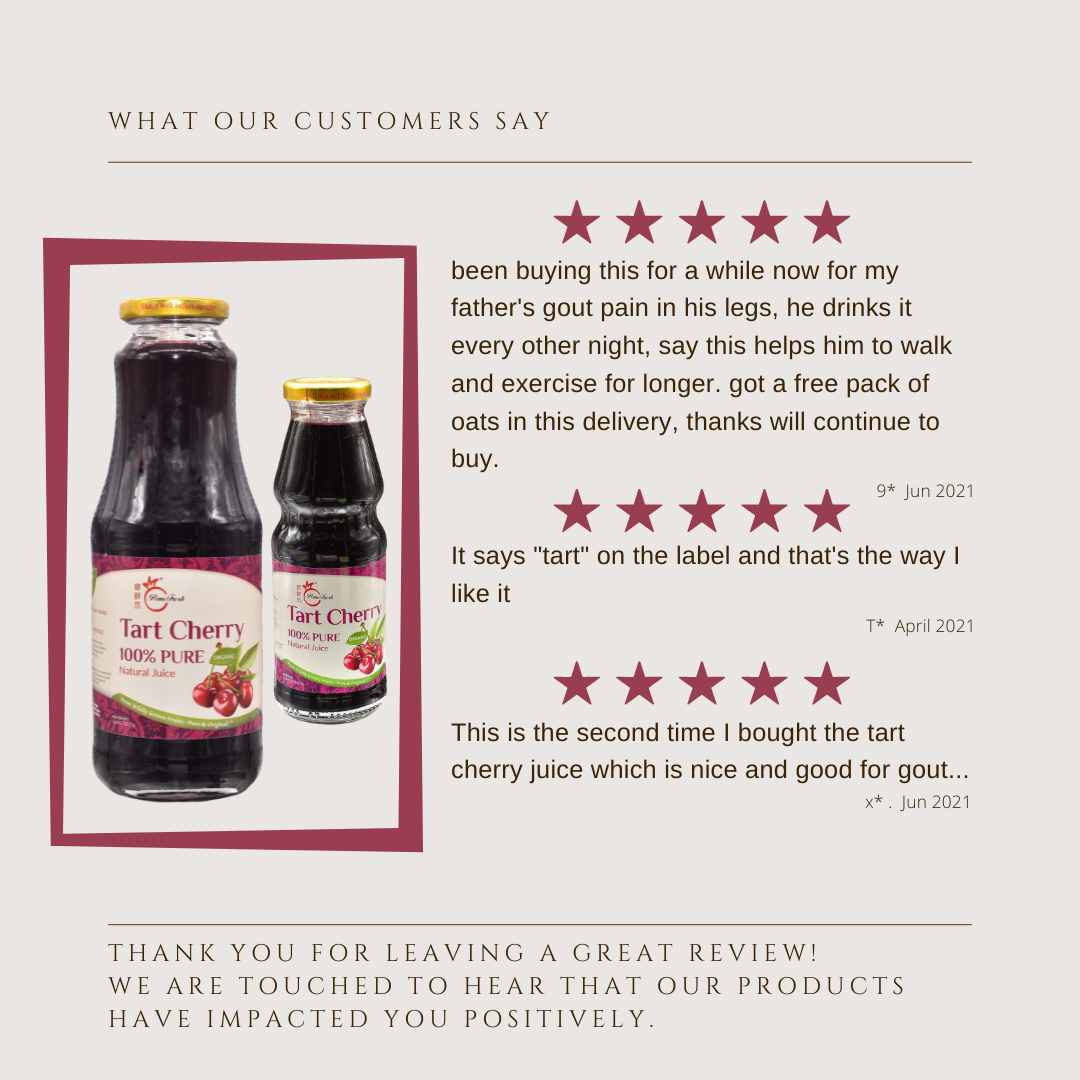
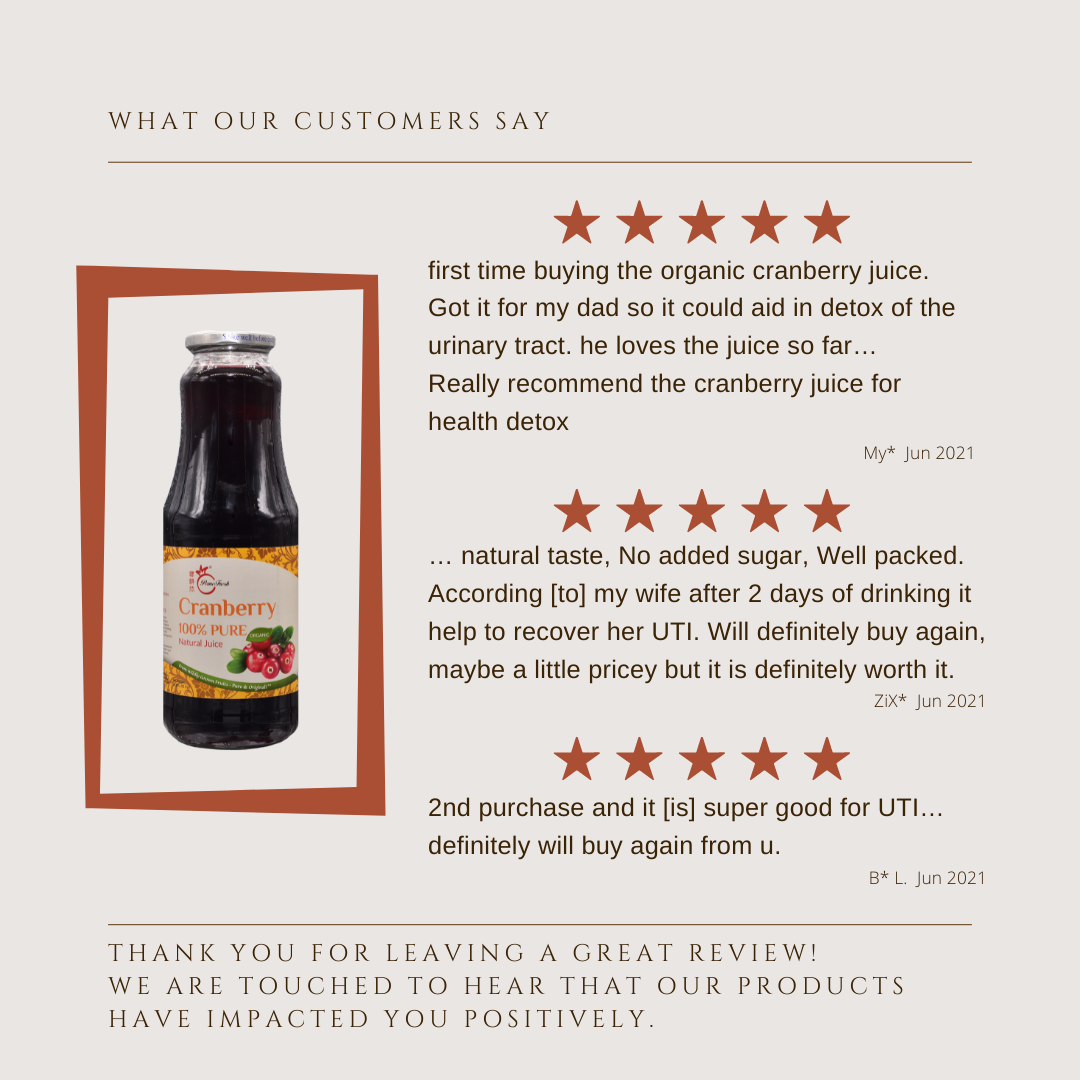
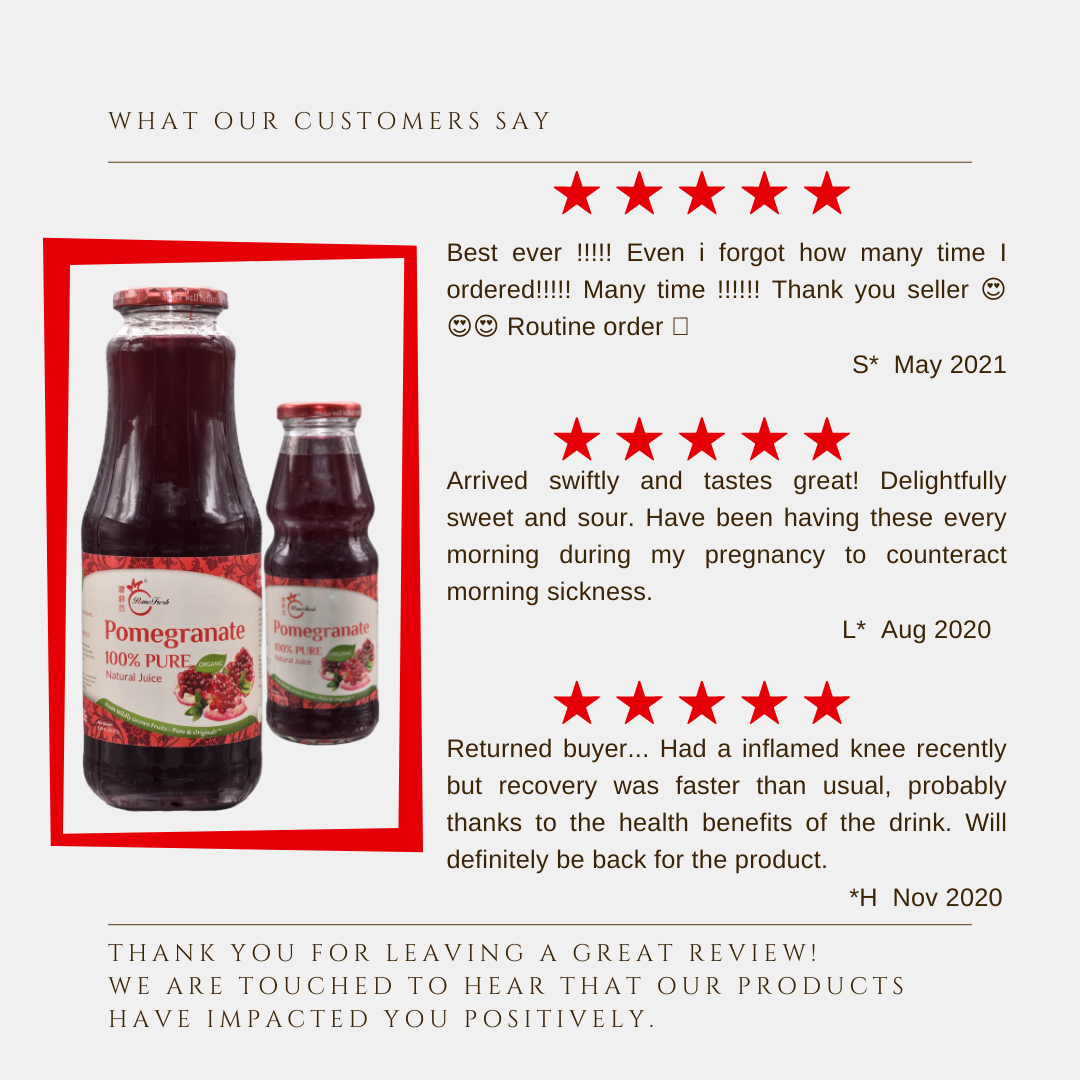
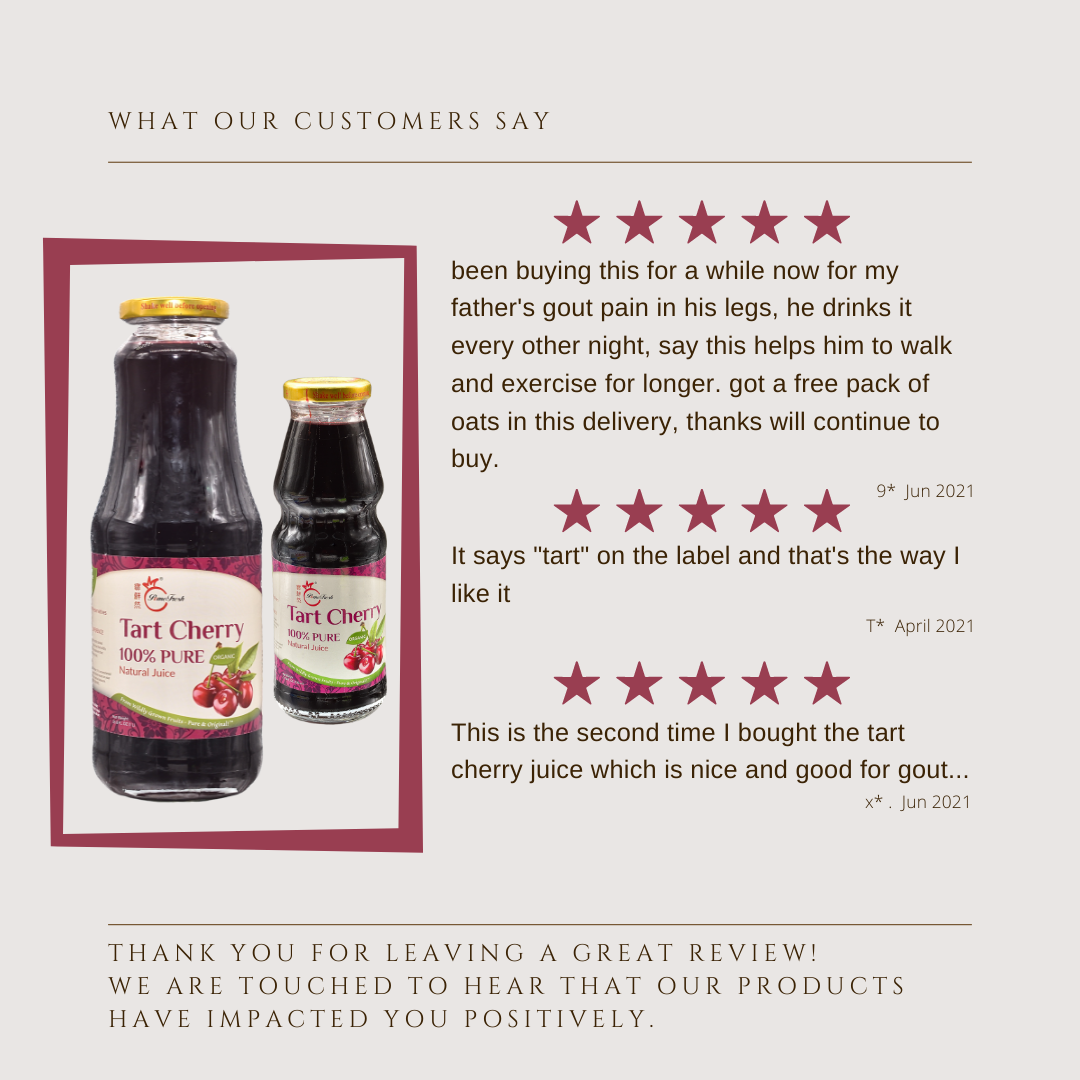
What Our Loyal Customers Say
VISIT US
10 Ubi Crescent, #04-39, Ubi Techpark, Singapore 408564
Please note that our warehouse / office is not attended everyday. Please do call and make an appointment if you wish to visit.
Hours most likely to be open: Mon, Wed, Friday 10am - 4pm
Our Contemplation of Food and Health

"Eat to Live" vs. "Live to Eat": A Balanced Perspective
When asked about the debate between “Eat to Live” and “Live to Eat,” most people would likely consider the former as the more socially correct stance. However, in today’s world, where food culture is thriving and social media is flooded with content centered around eating, it’s no surprise that the "Live to Eat" philosophy is gaining popularity.
People are embracing the idea that life is short and unpredictable, so it should be enjoyed fully. Food, as a central part of human experience, has become a source of pleasure, not just a means of sustenance. With countless influencers and social media personalities making a living by showcasing their meals, "Live to Eat" is becoming an increasingly accepted way of thinking.
For the young and healthy, it’s easy to overlook the link between diet and long-term health. The reality is that the food we eat has a profound impact on our well-being, both now and in the future. Health, in fact, rests on four key pillars: genetics, nutrition, lifestyle, and the environment. While advancements in genetic engineering are promising, they remain far from widespread use, and we cannot easily alter our genetic makeup. What we can control are the other three factors: our diet, lifestyle, and the environment in which we live.
Some may have the privilege of moving to a less polluted area or escaping the hectic pace of urban life for the tranquility of the countryside. For most of us, though, we must navigate the challenges of our current environment. While we can strive to improve our lifestyle—quitting smoking, reducing alcohol intake, exercising regularly, managing stress—it’s often difficult to make these changes and stick with them long-term.
The most immediate and powerful tool we have to maintain our health is our diet. Unlike the environment or our lifestyle, what we eat is something we can change instantly. Each meal presents an opportunity to make healthier choices that benefit our bodies.

It’s true that eating well doesn’t provide an absolute shield against diseases like cancer or heart disease. However, there is strong evidence that poor dietary habits significantly increase the risk of developing these conditions. A nutrient-rich diet, filled with fruits, vegetables, whole grains, lean proteins, and healthy fats, is essential for overall health. These foods provide the vitamins, minerals, and antioxidants that our bodies need for functions such as immune response, cell repair, and protection against oxidative stress, which is linked to chronic diseases. For example, diets high in antioxidants and fiber have been shown to reduce the risk of heart disease, while those rich in specific vitamins and minerals can lower the chances of certain cancers.
While genetics may predispose someone to certain diseases, it doesn't guarantee that they will develop them. By adopting a healthier lifestyle—quitting smoking, reducing stress, and living in a cleaner environment—along with a nutritious diet, people can lower their risk of disease. Chronic diseases don’t develop overnight; they are like seeds planted in the body. By depriving these "seeds" of the conditions they need to grow, such as poor diet and unhealthy habits, we can delay or even avoid their harmful effects. In essence, diet, lifestyle, and environment are key factors that can either trigger or suppress the onset of illness.
Improving one’s diet is the easiest of these factors to control, yet it’s still a challenge. In today’s world, particularly in urban areas, we are constantly surrounded by temptations. The convenience of rich, savoury foods and the availability of delivery apps make it hard to resist unhealthy choices. Social gatherings, cravings, and social media influence often derail attempts at maintaining a healthy diet. Sticking to a nutritious meal plan is difficult for many.
However, a balanced approach is possible. While it may be unrealistic to eat healthily all the time, we can focus on incorporating essential nutrients into at least one meal a day. At PomeFresh, we have identified four key nutrients that are often lacking in today’s diets: antioxidants, Omega-3 fatty acids, fiber, and micronutrients (like minerals). These nutrients play an outsized role in supporting immune response, cell repair, and preventing oxidative stress. Diets rich in these components are associated with a reduced risk of heart disease and certain cancers.

Our simple and practical recommendation is this: enjoy the food you like most of the time, but take control of your breakfast. Make it a nutrient-dense meal that provides the critical elements your body needs to thrive. Here’s how:
- Start your day with a wholesome breakfast full of fiber, Omega-3, antioxidants, and micronutrients from whole grains.
- Drink a glass of real juice rich in antioxidants and micronutrients.
- If necessary, supplement your intake of Omega-3.
This approach allows you to enjoy your workday lunches or dinner parties without guilt, knowing that you’ve already nourished your body with essential nutrients at the start of your day. If you miss this breakfast, you can make it your light evening meal instead.
By controlling at least one meal each day, you ensure that your body receives the vital nutrients it may otherwise lack. This simple habit can be sustained for years and will support your long-term health.
In conclusion, take charge of your diet by prioritizing nutritious, balanced meals. Experience the positive changes that come from eating better, healthier and certainly living happier.
If you are interested to know more about our thoughts on foods, you are welcome to get a copy of this book: 4D-Diet!
Blog Posts

Real Customers, Real Results: What People Are Saying About Our Pomegranate Juice
When it comes to health products, nothing speaks louder than the experiences of real customers. We've been humbled by the incredible feedback pouring in from our community, and we want to share some of their stories with you.
"Lower Blood Pressure from 145 to 128" — A Customer's Journey
One of our most heartwarming reviews came from a customer who shared their experience drinking our PomeFresh 100% Pure Pomegranate Juice morning and evening over several days:
"V. Good. With little sweet and sour. Drink for the past days morning and evening. Lower blood pressure from 145 to 128. Will continue to consume. Packing is secured with bubble plastic."
That's a 17-point drop in systolic blood pressure — and they're continuing the routine. Pomegranates are well-known for their high antioxidant content, particularly punicalagins and anthocyanins, which research suggests may support healthy blood pressure levels. Hearing this kind of feedback is exactly why we do what we do.
Fast Delivery, Great Taste — Customers Love the Full Experience
It's not just about the health benefits. Our customers consistently rave about the taste and delivery experience:
"Item rcvd in good condition. Fast delivery. Taste good. Product quality: Good."
"Good product and deliver was fast!"
We take pride in ensuring every bottle arrives safely and promptly — because great juice deserves great service.
Repeat Customers Say It All
One of the strongest signals of a great product? Customers who keep coming back.
"3rd time order have some improvement. Thanks seller."
Repeat orders are the highest compliment a customer can give, and we're grateful for every one of them. We're always working to improve — from product quality to packaging — and feedback like this keeps us on track.
Try It for Yourself
With hundreds of reviews and counting, and an overwhelming majority of 5-star ratings, our pomegranate juice has found a loyal following among health-conscious customers across Singapore.
Whether you're looking to support your heart health, enjoy a naturally delicious drink, or simply add more antioxidants to your diet — PomeFresh is here for you.
Results may vary. Consult your healthcare provider before making changes to your health routine.

Real Results: What Customers Are Saying About PomeFresh Tart Cherry Juice
